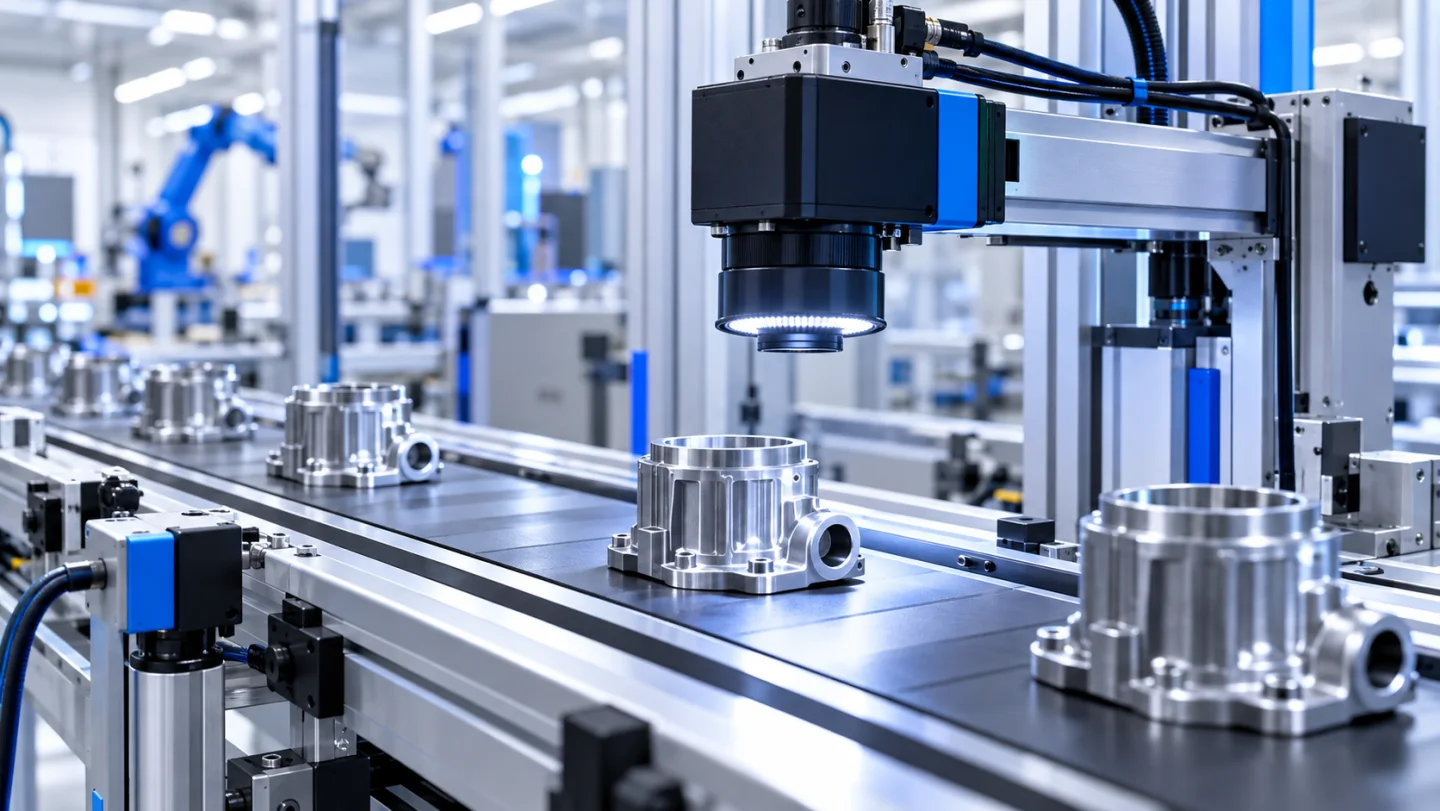
01 / COMPUTER VISION / TESTING
Industrial Vision Inspection
Algorithm development, model optimization, software integration and testing for object detection and complex-surface defect recognition.
View details
Headquartered beside UESTC's Qingshuihe campus in Chengdu's "Western Silicon Valley" cluster. Engineers make up 75% of the team, with core members from Huawei and BAT, spanning 8 technical domains including computer vision, NLP and robotics.
Headquartered beside UESTC's Qingshuihe campus, drawing on the "Western Silicon Valley" cluster for policy support, talent pool, and supply-chain ecosystem.
Engineers make up 75% of the team, including full-stack engineers with Huawei and BAT backgrounds, ensuring high-quality delivery from algorithm to engineering.
The team spans 8 technical domains including computer vision, NLP and robotics, backed by industry advisors in healthcare and finance.
End-to-end delivery across three lines: AI software, AI hardware, and integrated hardware-software solutions.
Grounded in industry pain-point analysis, AI algorithm selection and data governance; we design AI middle-platforms on a microservice architecture, develop with PyTorch / TensorFlow, and validate to industrial-grade standards via A/B testing.
Smart hardware for real-time data processing and on-device decisions in manufacturing and surveillance, with integrated voice/vision/haptic interaction and a hardware-level TEE and data encryption engine.
Deep integration of AI algorithms, software platforms and in-house hardware across smart warehousing, intelligent diagnosis, urban traffic, production digital twins, retail, and energy management.
Low-level hardware-software co-optimization is our core edge in deploying AI efficiently.
Deep customization of the Linux kernel and RTOS for efficient hardware scheduling, ensuring low-latency, high-concurrency processing in industrial automation and edge computing.
Combining CPU, GPU and FPGA units with in-house hardware acceleration to significantly boost AI inference speed for real-time smart-city video analytics.
Multi-modal sensor fusion, such as synchronization between mmWave radar and vision sensors, to enhance perception accuracy and robustness.
Dynamic voltage and frequency scaling (DVFS) and sleep/wake mechanisms reduce standby power to milliwatt levels, extending IoT device battery life.
Integrated state-grade crypto chips and a trusted execution environment (TEE) secure data across transmission, storage and processing to financial-grade standards.
End-to-end quality assurance for AI software systems from requirements to delivery.
Requirement Mining
Solution Review
Architecture Design
Model Development
System Integration
Delivery & Ops
Reusable integrated solutions proven across multiple industries.
Integrating AGV scheduling algorithms, 3D storage management software and autonomous navigation robots—boosting throughput by 300% and cutting labor cost by 70%.
Combining medical-imaging AI with high-precision displays for real-time lesion annotation and 3D reconstruction of CT/MRI scans, improving diagnostic efficiency by 50%.
Roadside sensing devices plus a cloud traffic-flow prediction system, using adaptive signal control to cut average intersection delay by 35%.
Industrial sensor networks plus a virtual simulation platform for full-lifecycle equipment monitoring and process tuning, raising yield by 12 percentage points.
AI cameras analyze customer flow and people-goods-field data, linking electronic price tags and AR fitting mirrors to lift conversion by 25% and average order value by 18%.
Power-monitoring hardware fused with load-forecasting algorithms for real-time building energy monitoring and optimized scheduling, achieving 15%-30% annual savings.
From concept to mass production, we crystallize AI capabilities into deliverable products.
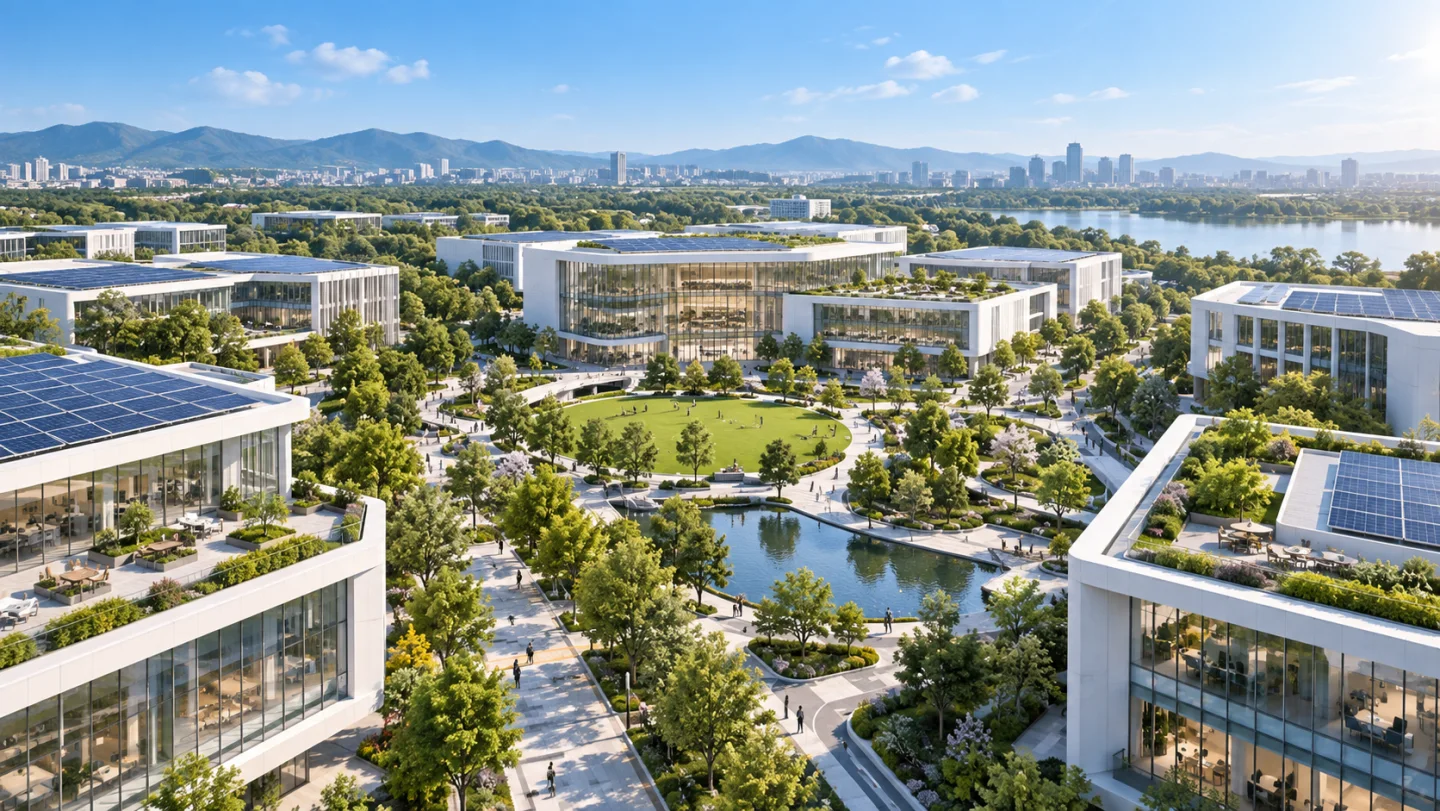
A 3D digital-twin operations center integrating an IoT middle-platform, intelligent security, facility management and data analytics, with mobile apps for visitor booking, parking payment and maintenance requests.
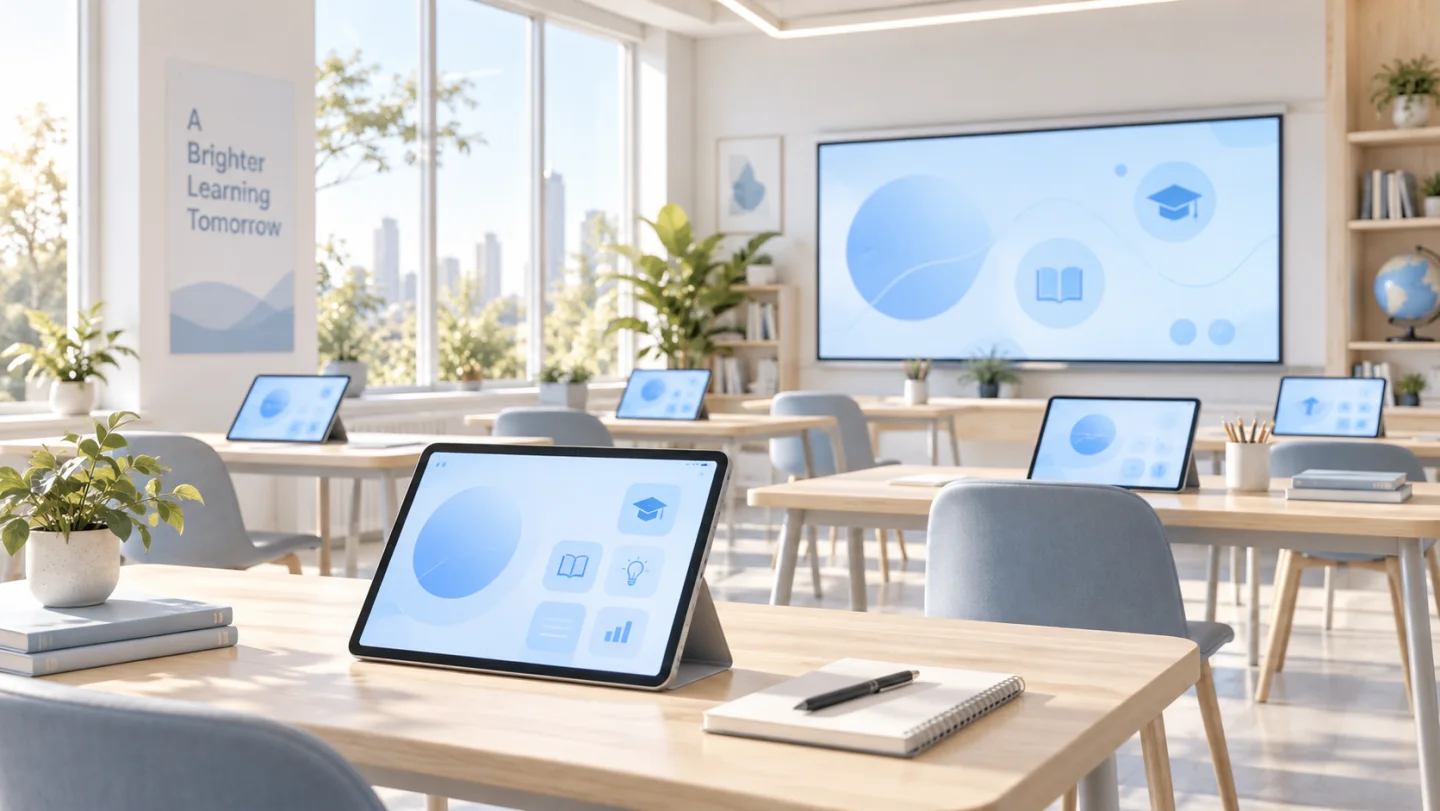
A constraint-satisfaction (CSP) engine weighs 200+ constraints to generate conflict-free timetables in 10 seconds; LSTM-based behavior analysis builds student profiles, knowledge graphs recommend resources, plus exam anti-cheating and a data cockpit.
Explore product categories and engineering capabilities drawn from collaboration scopes.
Algorithm development, model optimization, software integration and testing for object detection and complex-surface defect recognition.
View details
Data preparation, model fine-tuning, evaluation, inference packages and deployment integration for business copy generation.
View details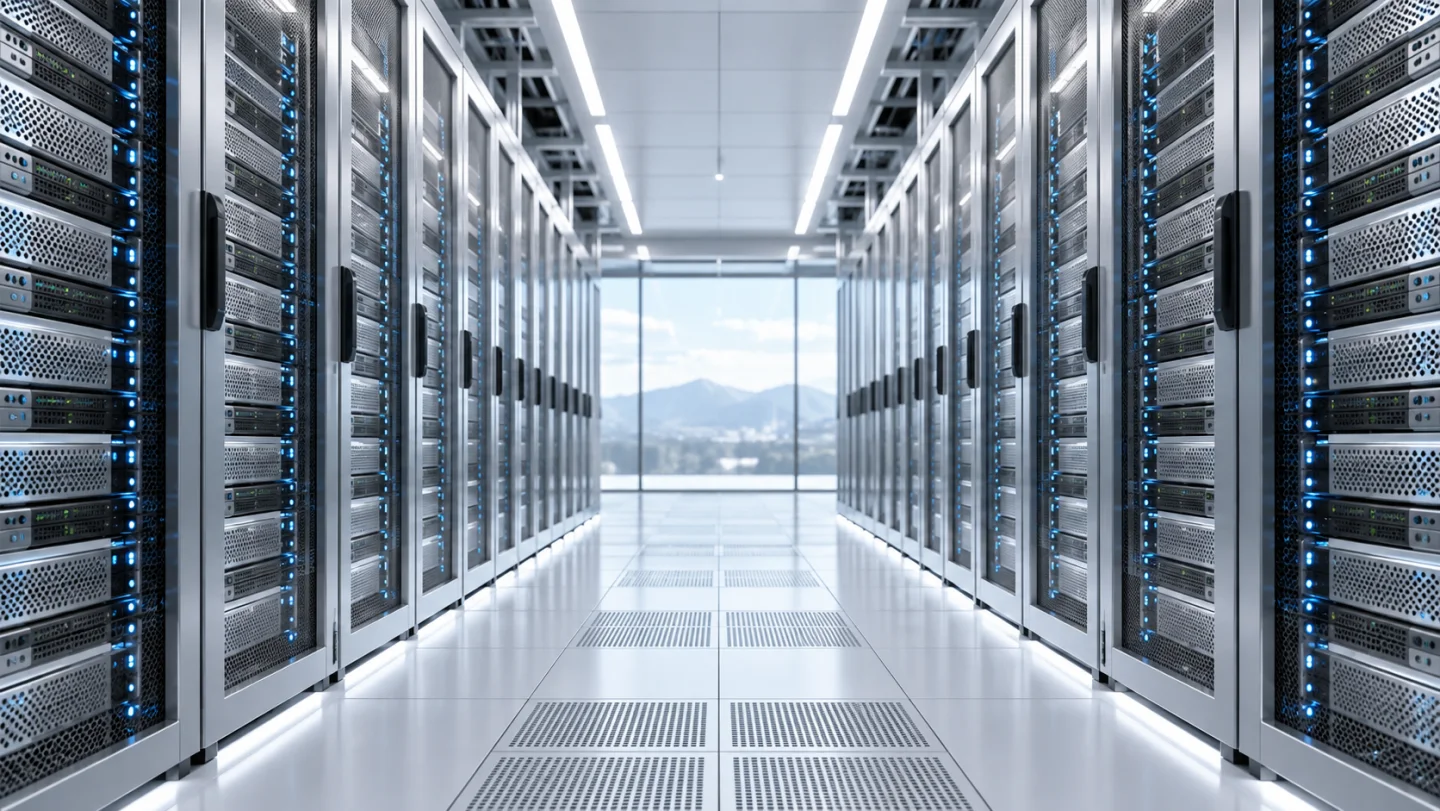
GPU server provisioning, platform installation, model deployment, system integration and maintenance for AI workloads.
View details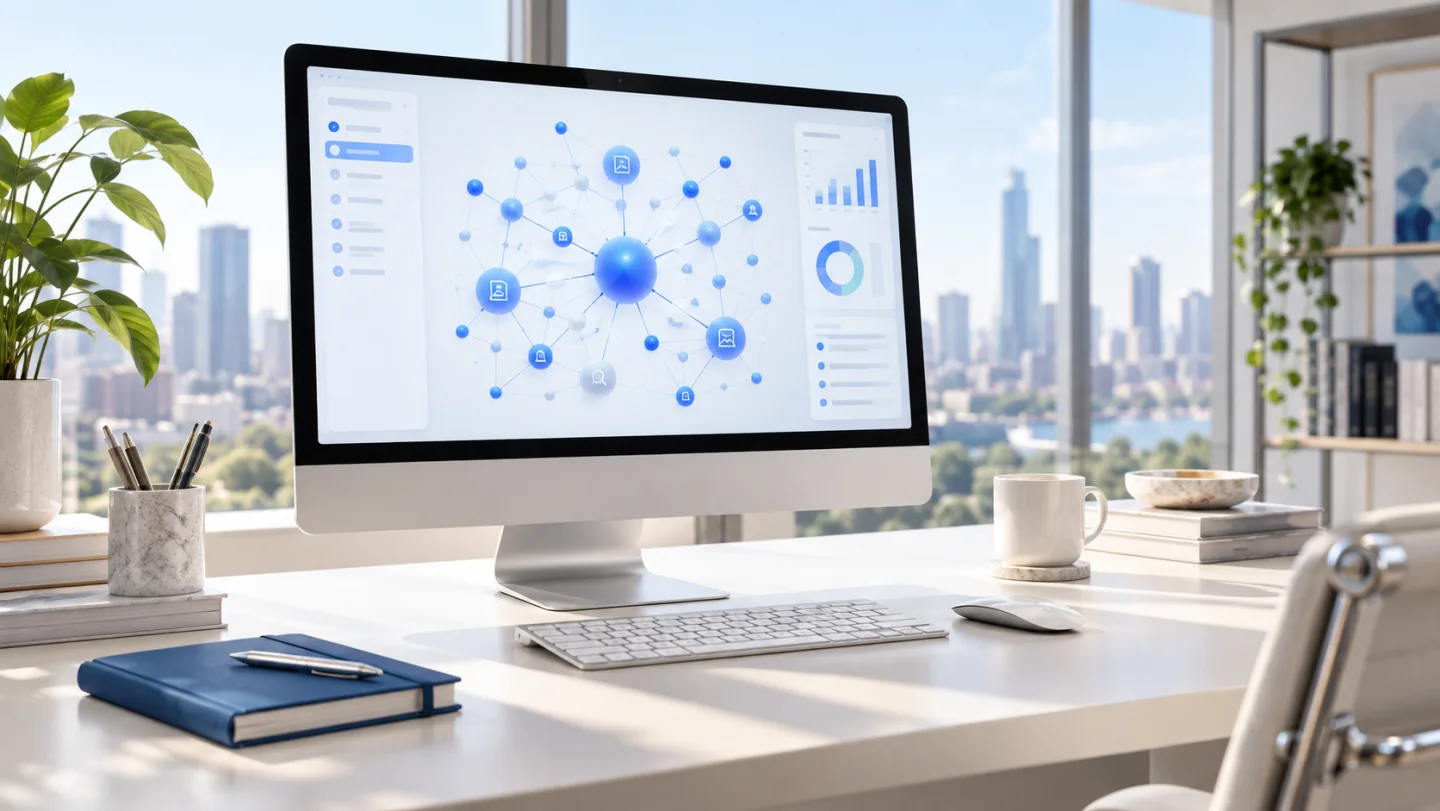
Knowledge management, intelligent Q&A, agent workspaces and ticket workflows with channel integration, quality review and analytics.
View details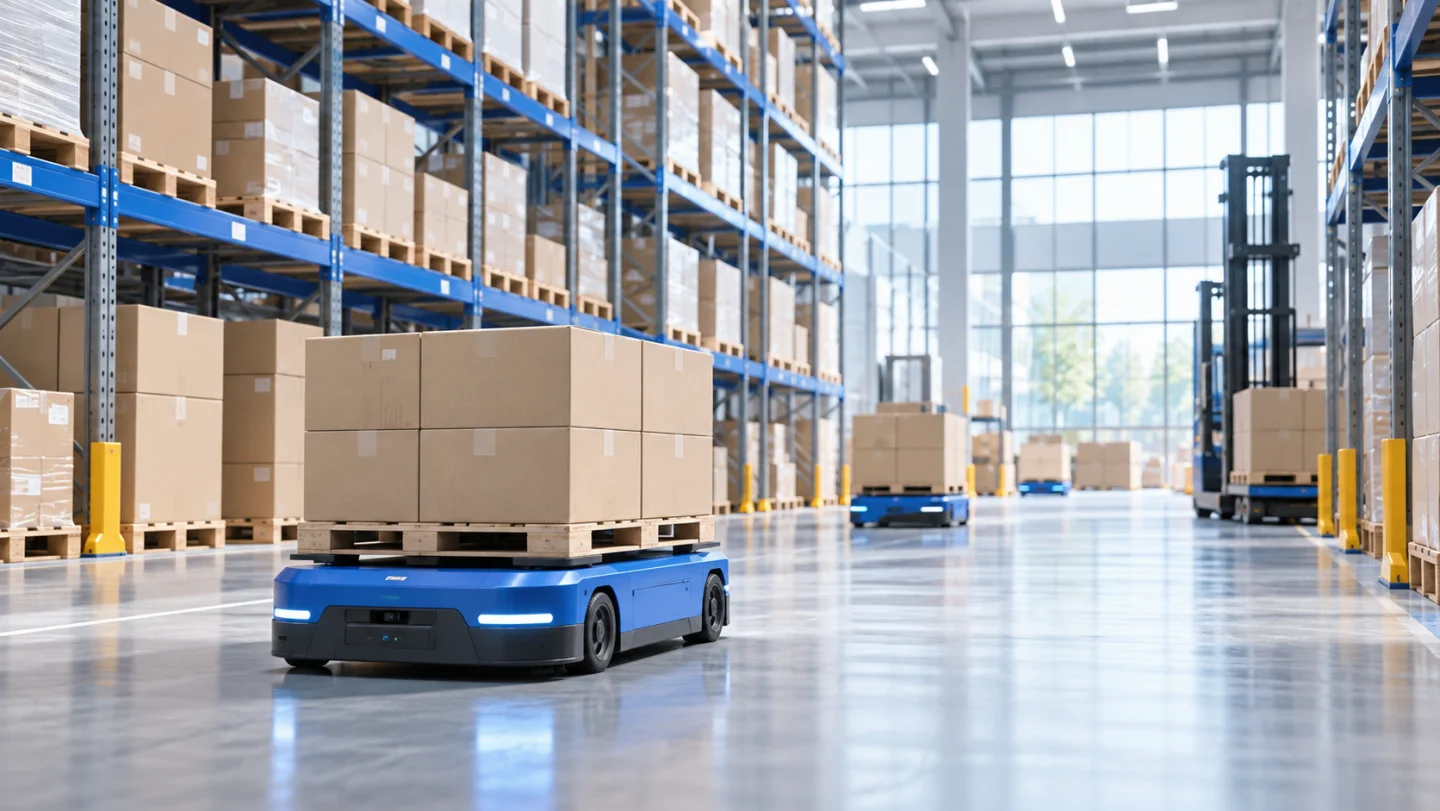
Order collaboration, WMS, TMS, reconciliation and analytics, with scanning terminal and business system integration.
View details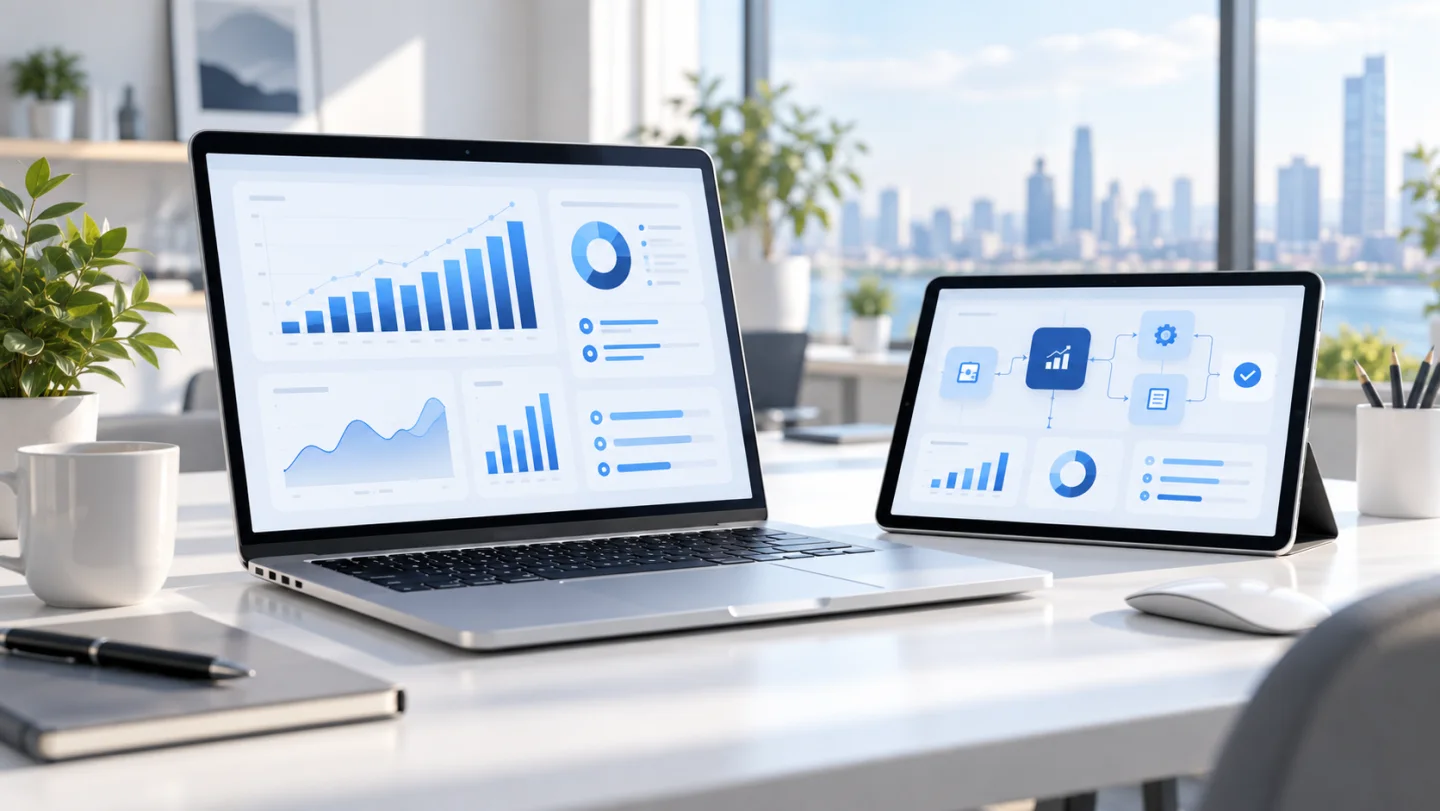
Connect client applications, administration, workflows and analytics with AI applications and third-party services.
View detailsAnonymized summaries describe technical scope without client information. They do not imply every project has passed acceptance.